A photo of Greatlife.ie

Greatlife.ie

Best in Health

At Greatlife, we never compromise on quality. When it comes to health, only the very best is good enough. We believe that food supplements that are as close to real food as possible, whole food, are better than synthetically isolated vitamins and minerals.

ARTICLES BY Greatlife.ie

Low stomach acid: 12 signs your stomach isn't breaking down food properly

Low stomach acid: 12 signs your stomach isn't breaking down food properly

Read time: 5–6 min

Many associate belching, heartburn, bloating, and discomfort after meals with too much stomach acid. In some cases, the picture can be more complex. Too little stomach acid, also called hypochlorhydria, can mean food isn’t broken down optimally and several parts of digestion are affected. Learn more about low stomach acid and what you can do about it.

Read more

Herpes: symptoms, transmission and what can help reduce outbreaks

Herpes: symptoms, transmission and what can help reduce outbreaks

Read time: 1–2 min

Herpes simplex virus, often abbreviated HSV, is very common and comes in two main types: HSV-1 and HSV-2. HSV-1 most often causes cold sores around the mouth and on the lips, while HSV-2 is more often associated with genital herpes. The virus remains dormant in nerve cells and can reactivate during periods when the body is under strain from, for example, stress, illness, menstruation, or strong sun. Learn about symptoms, transmission, and what can help reduce outbreaks.

Read more

Candida and the menstrual cycle: Why symptoms often worsen before your period

Candida and the menstrual cycle: Why symptoms often worsen before your period

Read time: 2–3 min

Its not uncommon for yeast-related symptoms to feel more noticeable in the days before your period. For many, its a combination of hormonal shifts, changes in the mucosal environment, and temporary variations in the immune system. In the latter part of the menstrual cycle, especially the luteal phase, the body can create conditions that make it easier for Candida to proliferate. When your period begins, the environment changes again, but if the overgrowth has already had time to establish, the symptoms can often continue until they are addressed with the right measures.

Read more

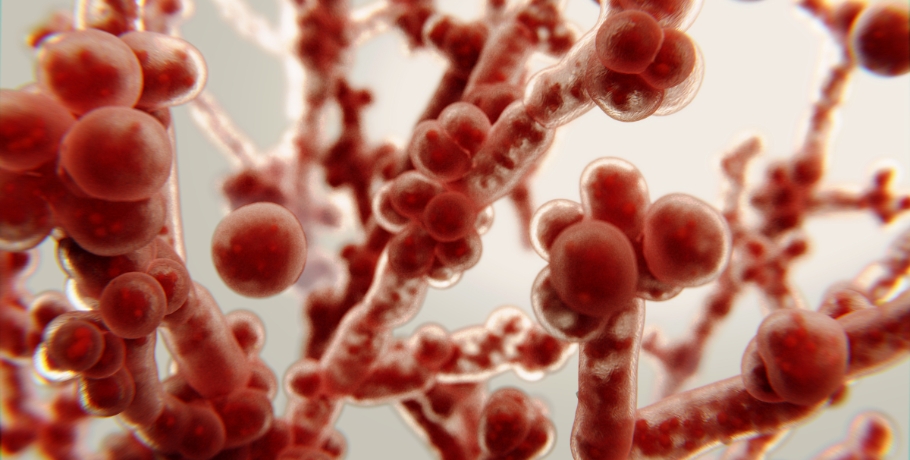
Which species of Candida and other fungi are there?

Which species of Candida and other fungi are there?

Read time: 2–3 min

Species of Candida are an important topic because Candida is not a single fungus, but an entire genus with several different species. Some naturally live on the skin, in the mouth, in the gut and in the genital area without causing problems. Others can become more troublesome with overgrowth, a weakened immune system, antibiotic treatment or an imbalance in the bodys microbiome. Learn more in this article.�a0

Read more

Animal-based and magnesium – do you need to pay extra attention to electrolytes?

Animal-based and magnesium – do you need to pay extra attention to electrolytes?

Animal-based is a nutrient-dense way of eating built around animal foods like meat, organs, eggs, fish, shellfish, and dairy. Many also complement it with fruit, berries, honey, and natural fats like butter or tallow. The diet can be very nutritious, but even a nutrient-dense diet can have certain nutritional blind spots. One mineral worth understanding better is magnesium.

Read more

Taurine: 8 key properties and functions in the body

Taurine: 8 key properties and functions in the body

Taurine from Greatlife is a dietary supplement with 1000 mg of taurine per capsule in the form of the purest Japanese taurine available to buya0. Taurine is a sulfur-containing compound, specifically an amino sulfonic acid that occurs naturally in the body and is found at particularly high levels in active tissues such as the heart, brain, muscles, and eyes. Read abouta08 key properties and functions of taurine.a0

Read more

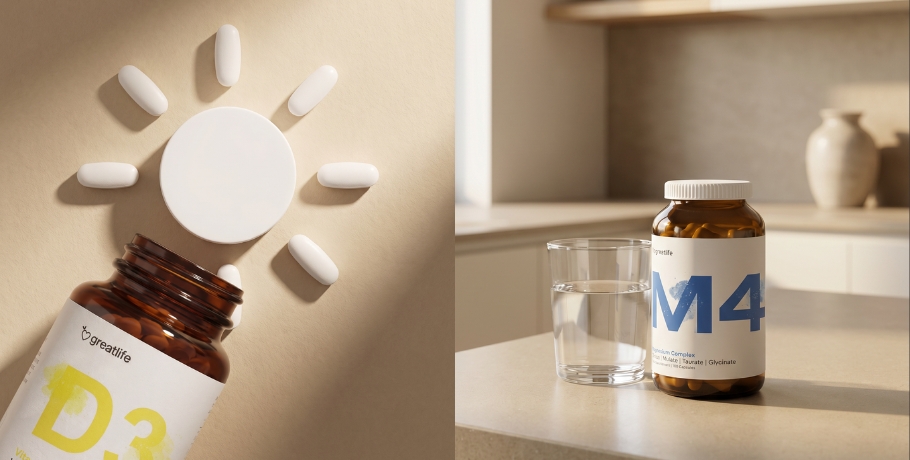
Magnesium and Vitamin D: Why Your Body Needs Both

Magnesium and Vitamin D: Why Your Body Needs Both

Many people take vitamin D to boost energy, support the immune system, or counter winter fatigue. But if the body is low in magnesium, vitamin D can be harder to activate and use. Here we explain why magnesium and vitamin D belong together and what you can do to support the body’s natural balance.

Read more

What to do when your stomach isn’t working as it should in summer?

What to do when your stomach isn’t working as it should in summer?

When summer arrives, eating habits, routines, and sleep patterns often change. That can make your stomach not work as it should. Many experience bloating, constipation, gas, an uneasy stomach, or a feeling that food sits heavy after meals. Fortunately, there are several simple things you can do to support your stomach during the summer. With better hydration, calmer meals, smarter food choices, and selected supplements, you can give digestion and the gut flora better conditions. Read about what to do to “rescue” your stomach over the summer. 

Read more

Sun protection and supplements for your skin this summer

Sun protection and supplements for your skin this summer

The sun is important for health, energy and well-being. It helps the body produce vitamin D, influences the circadian rhythm and can contribute to a natural sense of alertness. At the same time, too much UV radiation is one of the biggest external factors behind sun damage, pigmentation changes, premature skin aging and an increased risk of skin cancer. A smart summer strategy isn’t about avoiding the sun entirely. It’s about being sun-smart, protecting your skin and giving your body the right nutrition from within. Learn which supplements are recommended when you plan to be in the sun.

Read more

Heatwave: what happens in the body and how to support fluid balance?

Heatwave: what happens in the body and how to support fluid balance?

When temperatures rise for several days in a row, the body is affected more than many people realize. A heatwave isn’t just uncomfortably hot. The body has to work harder to maintain a stable core temperature and this can affect fluid balance, electrolytes, circulation, muscles, energy, sleep and recovery. Learn what happens in the body and how to support fluid balance.

Read more

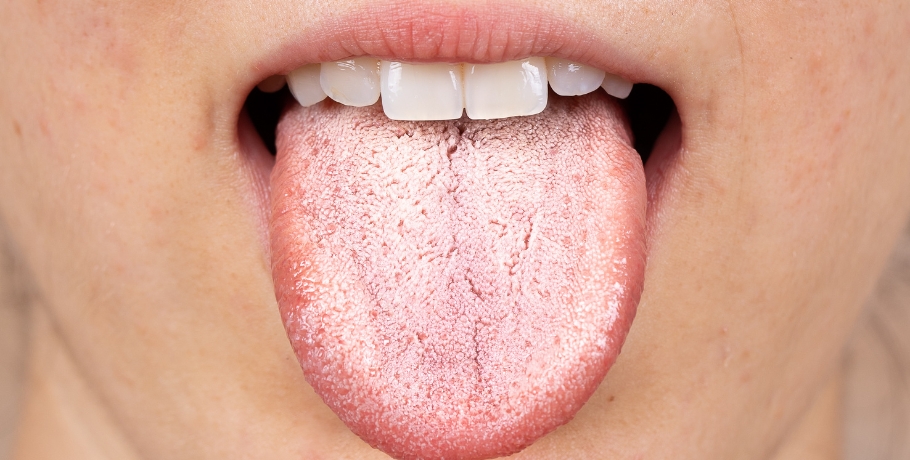
What are the symptoms of Candida overgrowth or other fungus?

What are the symptoms of Candida overgrowth or other fungus?

Overgrowth of Candida or other fungi can cause various symptoms depending on where in the body the fungus is present. Candida is a yeast that can naturally occur on the skin, in the mouth, in the genital area, and in the intestines, but when there is an imbalance it can overgrow and cause problems. Symptoms can be local, for example in the mouth or on the skin, but can also affect digestion or the whole body if the infection becomes more extensive. Read about the symptoms of Candida.

Read more

8 supplements to know about during cold season

8 supplements to know about during cold season

Colds are common, especially in autumn and winter, when many people spend more time indoors and are exposed to various viruses. There is no single product that can guarantee you won’t get sick, but sleep, a nutrient-dense diet, recovery, physical activity and adequate fluid intake are important parts of the body’s normal resilience. Some vitamins and minerals also have EU-authorized health claims related to the normal function of the immune system. Other substances are interesting from a general nutrition or antioxidant perspective, but should not be described as preventing, treating or curing colds.

Read more

5 common mistakes when trying to get rid of Candida

5 common mistakes when trying to get rid of Candida

Many people looking for information on how to get rid of Candida want a quick fix. The problem is that this often leads to focusing on the wrong things, jumping between different tips, and never getting a clear strategy. To achieve better results, you need to understand what actually tends to slow improvement. Here we go through five common mistakes when trying to get rid of Candida, and what to consider instead.

Read more

Creatine Monohydrate – Benefits, Dosage and Safety

Creatine Monohydrate – Benefits, Dosage and Safety

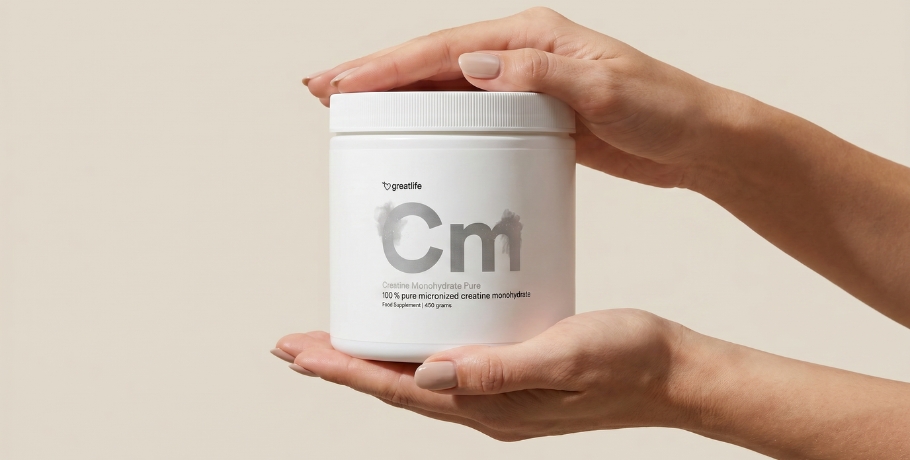
Creatine is one of the most well-studied and widely used supplements for training, performance and health. In particular, creatine monohydrate has shown strong effects for people who want to improve explosive strength, increase muscle mass and perform better during high-intensity training. Learn about the benefits, dosage and safety of creatine. 

Read more

Approved health claims for vitamins, minerals and nutrients

Approved health claims for vitamins, minerals and nutrients

Many believe that vitamins, minerals and other nutrients do not affect health, but that is not true. The approved health claims below are based on scientific evaluations by EFSA, the European Food Safety Authority, and show that the right nutrients can contribute to normal function in the body. EFSA is the EU’s expert authority for food safety and the scientific assessment of health claims.

Read more

Highest-quality Undecylenic Acid vs SF722

Highest-quality Undecylenic Acid vs SF722

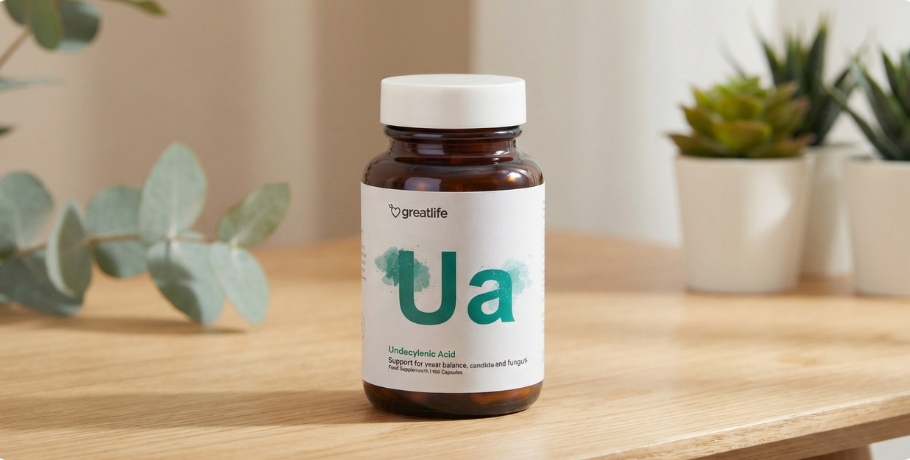
Undecylenic acid is an unsaturated fatty acid that has been studied for its antifungal properties, particularly against yeasts such as Candida but also other fungi. It helps inhibit fungal growth and supports a more favorable microbial balance. There are some important differences between brands. Read more about this in our article on undecylenic acid.

Read more

Nattokinase and blood flow – can a single dose affect coagulation and fibrin breakdown?

Nattokinase and blood flow – can a single dose affect coagulation and fibrin breakdown?

Nattokinase has become an increasingly talked-about enzyme in the areas of cardiovascular health, blood flow, and fibrin breakdown. The interest is partly due to studies showing that nattokinase can influence markers related to coagulation within just a few hours after intake. For those seeking information on nattokinase, blood-thinning effects, fibrin, and natural support for normal circulation, this is a topic that sparks great curiosity. Read more in our article. 

Read more

SIBO – Causes, Symptoms and an Effective Protocol to Restore Gut Balance

SIBO – Causes, Symptoms and an Effective Protocol to Restore Gut Balance

SIBO (Small Intestinal Bacterial Overgrowth) is an overgrowth of bacteria in the small intestine, a place where bacterial levels are normally low. This leads to food fermenting too early, creating gas, inflammation, and impaired nutrient absorption. SIBO is a common but often underdiagnosed cause of digestive problems such as bloating, IBS-like symptoms, and chronic fatigue. Read our article for tips and guidance if you suffer from SIBO.

Read more

Sleep Plus+ – The best supplement for sleep, relaxation and recovery?

Sleep Plus+ – The best supplement for sleep, relaxation and recovery?

Good sleep is one of the most important foundations for energy, hormonal balance, mental sharpness and recovery. Despite this, sleep problems are very common today. Many find it hard to wind down in the evening, their thoughts keep spinning at bedtime, or their sleep feels light and restless. In the quest for better sleep there are many products on the market, but few are formulated with the same precision, purity and biological rationale as Sleep Plus+ from Greatlife.

Read more

What Is Activated Charcoal – Why Is It Important?

What Is Activated Charcoal – Why Is It Important?

Activated charcoal is a special porous form of carbon with a very large surface area, which allows it to bind various compounds in the gastrointestinal tract to its surface. Learn more about activated charcoal and why it can be so beneficial for health.

Read more

Copper contributes to normal hair pigmentation

Copper contributes to normal hair pigmentation

Gray hair is most often seen as a natural part of aging, but when hair starts turning gray early it is referred to as premature gray hair (typically before 20–25 years of age depending on ethnicity). Several factors are involved: genetics, oxidative stress, autoimmune processes and nutritional status, and among the trace minerals copper is one of the most interesting.

Read more

What are histamine and histamine intolerance?

What are histamine and histamine intolerance?

Histamine intolerance isn’t a classic allergy but a condition in which the balance between intake/production of histamine and its breakdown is disturbed. The result is a relative excess of histamine in the body, even if you eat “normal” food. However, there’s a lot you can do to avoid histamine-related problems.

Read more