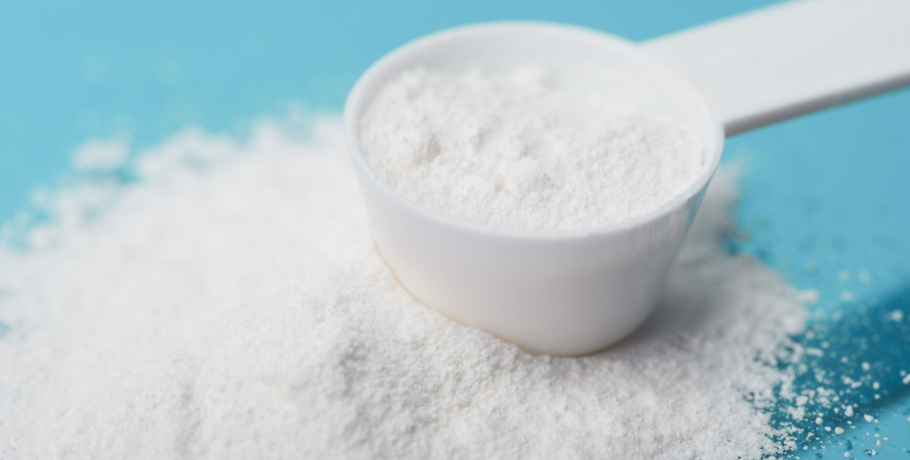
Creatine is one of the world’s most studied dietary supplements and is used primarily to improve performance during repeated short, high-intensity efforts. In recent years, creatine has also started being sold in more and more forms, not only as traditional powder, but also as capsules, drinks, and above all gummies. Creatine gummies are often marketed as a more convenient and tastier alternative to creatine powder. But a laboratory investigation suggests it may not be entirely optimal to take it as gummies.
Supplements are used to complement the diet, correct nutrient deficiencies, or give the body extra support. Most people experience positive effects, but sometimes a new supplement can instead cause nausea, digestive upset, headache, fatigue, anxiety, or other discomfort. Feeling worse after starting a supplement does not automatically mean the product is bad or that you cannot tolerate the nutrient itself. The reaction may be due to the dosage, timing, combination with other products, taking it on an empty stomach, or sensitivity to one of the ingredients.
Animal-based is a nutrient-dense way of eating built around animal foods like meat, organs, eggs, fish, shellfish, and dairy. Many also complement it with fruit, berries, honey, and natural fats like butter or tallow. The diet can be very nutritious, but even a nutrient-dense diet can have certain nutritional blind spots. One mineral worth understanding better is magnesium.
Taurine from Greatlife is a dietary supplement with 1000 mg of taurine per capsule in the form of the purest Japanese taurine available to buya0. Taurine is a sulfur-containing compound, specifically an amino sulfonic acid that occurs naturally in the body and is found at particularly high levels in active tissues such as the heart, brain, muscles, and eyes. Read abouta08 key properties and functions of taurine.a0
Many people take vitamin D to boost energy, support the immune system, or counter winter fatigue. But if the body is low in magnesium, vitamin D can be harder to activate and use. Here we explain why magnesium and vitamin D belong together and what you can do to support the body’s natural balance.
When temperatures rise for several days in a row, the body is affected more than many people realize. A heatwave isn’t just uncomfortably hot. The body has to work harder to maintain a stable core temperature and this can affect fluid balance, electrolytes, circulation, muscles, energy, sleep and recovery. Learn what happens in the body and how to support fluid balance.
Many believe that vitamins, minerals and other nutrients do not affect health, but that is not true. The approved health claims below are based on scientific evaluations by EFSA, the European Food Safety Authority, and show that the right nutrients can contribute to normal function in the body. EFSA is the EU’s expert authority for food safety and the scientific assessment of health claims.
Nattokinase has become an increasingly talked-about enzyme in the areas of cardiovascular health, blood flow, and fibrin breakdown. The interest is partly due to studies showing that nattokinase can influence markers related to coagulation within just a few hours after intake. For those seeking information on nattokinase, blood-thinning effects, fibrin, and natural support for normal circulation, this is a topic that sparks great curiosity. Read more in our article.
New research suggests that a deficiency of choline may be linked to early signs of stress in both the body and brain in young adults – especially in people with obesity. Interestingly, this can happen even when there are no obvious symptoms.
Urolithin A is a naturally occurring compound formed in the gut when gut bacteria break down ellagic acid, a polyphenol found in foods such as fruits and berries. Urolithin A activates the body’s own mechanisms to remove damaged mitochondria while simultaneously stimulating the formation of new, healthy mitochondria. But Urolithin A supplements aren’t something we recommend. Read on to find out why.
Most people take creatine to build muscle, increase strength, and improve exercise performance. But its hidden effects on the body reach far beyond the gym—and they’re even more powerful. Learn why creatine may be one of the best superfoods available.
Magnesium is often presented as a general “sleep supplement,” but from a medical perspective the picture is more complex. Magnesium occurs in different chemical forms (salts and chelates), which have different bioavailability, tissue distribution, and effects on the nervous system and cellular energy metabolism. Some forms can promote calm and improve sleep quality, while others can instead increase metabolic activity and thereby the level of alertness in sensitive individuals.
NAD⁺ has become one of the most central molecules in modern research on energy, recovery, and long-term aging. Learn to avoid the pitfalls in our article on NAD⁺.
Learn everything you need to know about boron and its effects on the body in our comprehensive article on boron, its functions, health benefits, dosage, and uses.
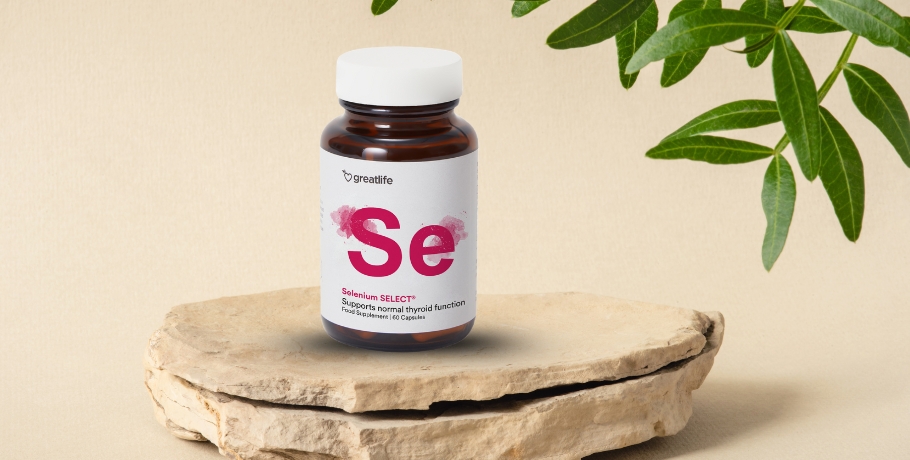
Selenium is an essential trace element of great importance. It helps protect cells from oxidative stress, supports the normal function of the immune system, contributes to healthy thyroid function, and plays a role in maintaining normal hair and nails. However, the soil in Sweden is selenium-poor, and most Swedes do not reach the recommended intake levels. Food-based supplements containing organic forms of selenium are the best option, as the body absorbs them almost completely, whereas inorganic selenium is harder to absorb. Read more about this vital nutrient here.
Magnesium deficiency is common among the population and can unfortunately lead to both mild and severe health issues. We need to consume magnesium regularly, but the Western diet contains far too little of this essential mineral. Read more about this important nutrient.
Vitamin C is, in fact, much more than just ascorbic acid. In nature, vitamin C is never found in isolation but exists as a complex together with various cofactors. Taking a supplement of synthetically produced ascorbic acid is not the same as taking a whole food supplement containing the entire vitamin C complex. If you want to protect yourself against free radicals, it's worth considering your choice of vitamin C supplement carefully.
The answer depends on the type of soy you choose: the processed soy sausage or the traditionally prepared miso soup made from fermented, organic soybeans. The isolated soy protein found in many vegetarian ready-made meals like sausages, burgers, and nuggets is actually one of the most processed and unhealthy things you can eat.
Magnesium plays an important role in the body and influences our sleep cycle in several ways. Here, we explore the scientific basis behind magnesium's effect on sleep, particularly through its interaction with GABA and melatonin.
Magnesium is an essential mineral that plays a vital role in many of the body's physiological processes, including weight and metabolism. It is involved in numerous enzymatic reactions and is crucial for energy production, blood sugar regulation, and nerve function.
Q10, also known as Coenzyme Q10 or ubiquinone, is a fat-soluble substance naturally present in every cell of the body. It plays a vital role in energy production within cells by participating in the electron transport chain in the mitochondria, which is essential for ATP production. Q10 also serves as a powerful antioxidant, protecting cell membranes, lipids, and proteins from oxidative damage.
Learn how and when to take L-Glutamine to make the most of this amazing amino acid. In this article, we’ll provide simple tips for incorporating L-Glutamine into your training routine to support your health and promote faster recovery after exercise. Discover how to optimize your L-Glutamine intake today!
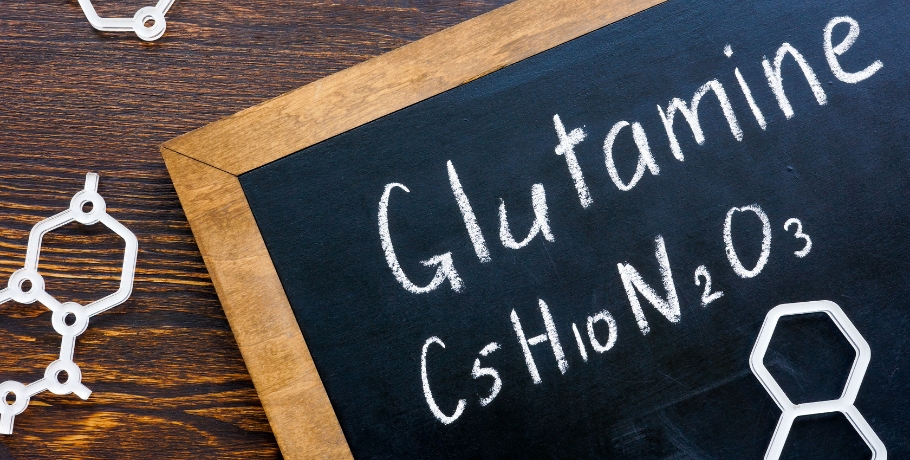
Glutamine is one of the most abundant amino acids in the body and serves a variety of essential functions to support health and well-being. This amino acid plays a key role in the immune system, muscle recovery, metabolism, gastrointestinal health, and even sleep quality.
Creatine is a popular and highly effective supplement for training and performance. However, a common question many people ask is: how much creatine should you take? Here, we take a closer look at creatine dosage to achieve the best possible results.